How Personality Tests Help in Psychological Diagnosis
29 June 2026
Ever taken a random online personality quiz and gotten oddly emotional about being a “true INFP” or a “chaotic-good Gemini”? Yeah, same here. But what if I told you that those fun little boxes we like to fit ourselves into could actually be much more than social media fluff—they could be real diagnostic tools used in clinical psychology?
That’s right. Personality tests aren't just for dating apps and awkward team-building workshops. They're also used by trained psychologists to assess personality structures, identify disorders, and guide treatment plans. It’s way more legit than just asking someone their Hogwarts house (though let’s be real, that’s still useful information).
Let’s take a deep dive into the strange but fascinating world of how personality tests help in psychological diagnosis. Buckle up—it’s going to be both quirky and oddly enlightening.
Understanding Personality Tests: Not Just Buzzfeed Quizzes
Okay, first things first. Not all personality tests are created equal. Some are scientific powerhouses, and others are… well, let’s call them “recreational.” Clinical personality assessments are designed by psychologists to measure patterns in a person’s thoughts, feelings, and behaviors. These patterns help professionals make sense of how a person operates—and sometimes, why things might be going a little sideways.Two Types of Personality Tests: Objective & Projective
Let’s break this down.1. Objective Tests
These are straightforward, no-nonsense questionnaires. Think true/false, agree/disagree, or scale-based answers. They’re called “objective” because they use scoring systems that aren’t open to much interpretation.Examples of objective personality tests include:
- MMPI-2 (Minnesota Multiphasic Personality Inventory) – The Beyoncé of personality tests. Used ALL the time in clinical settings.
- Big Five Personality Test – Measures openness, conscientiousness, extraversion, agreeableness, and neuroticism (OCEAN).
- MBTI (Myers-Briggs Type Indicator) – Popular, but more controversial in psychology circles.
2. Projective Tests
These are the ones that feel like you're stepping into a mind maze. They rely on open-ended prompts where your answers say more about you than you might think.Examples include:
- Rorschach Inkblot Test – Yes, the "What do you see in this blob?" test. Super fascinating and slightly mysterious.
- Thematic Apperception Test (TAT) – You’re shown ambiguous images and asked to tell a story. Your stories reveal your inner world like psychological popcorn.
Why Use Personality Tests in Psychological Diagnosis?
You might wonder, “Can’t therapists just talk to people and figure out what’s wrong?” That’s a fair question. And the answer is… kind of, but also not really.Talking helps, sure. But our brains are like tricky little shape-shifters. We’re not always great at being self-aware or honest (even with ourselves). That’s where personality tests come in. They provide structure, objectivity, and insight beyond surface-level conversation.
Here’s how they actually help:
1. Identifying Personality Disorders
Ever heard of borderline personality disorder, narcissistic personality disorder, or antisocial personality disorder? These aren’t just dramatic labels—they’re clinical conditions that deeply affect how someone thinks and acts in daily life.Personality tests, especially comprehensive ones like the MMPI-2, help psychologists spot patterns of behavior that align with these disorders. It's kinda like seeing behind the curtain—what's driving the chaos?
It’s not about slapping you with a label. It’s about understanding you better.
2. Differentiating Between Mental Health Conditions
Sometimes symptoms overlap. Depression can look like burnout. Anxiety can mimic ADHD. And let’s not even start on how bipolar disorder and borderline personality disorder can seem weirdly similar to the untrained eye.Personality tests act like psychological GPS systems. They help therapists navigate the messy overlap and zero in on the correct diagnosis.
Think of it like untangling a knot—without the right tools, you’ll just yank it tighter.
3. Creating Personalized Treatment Plans
Once a diagnosis becomes clearer, personality assessments give therapists clues about what treatment will actually work.Let me give you an example. A highly conscientious person may respond better to structured cognitive-behavioral therapy, while someone with high openness might thrive in a more exploratory, artistic therapy.
It’s not one-size-fits-all. Your personality affects how you heal.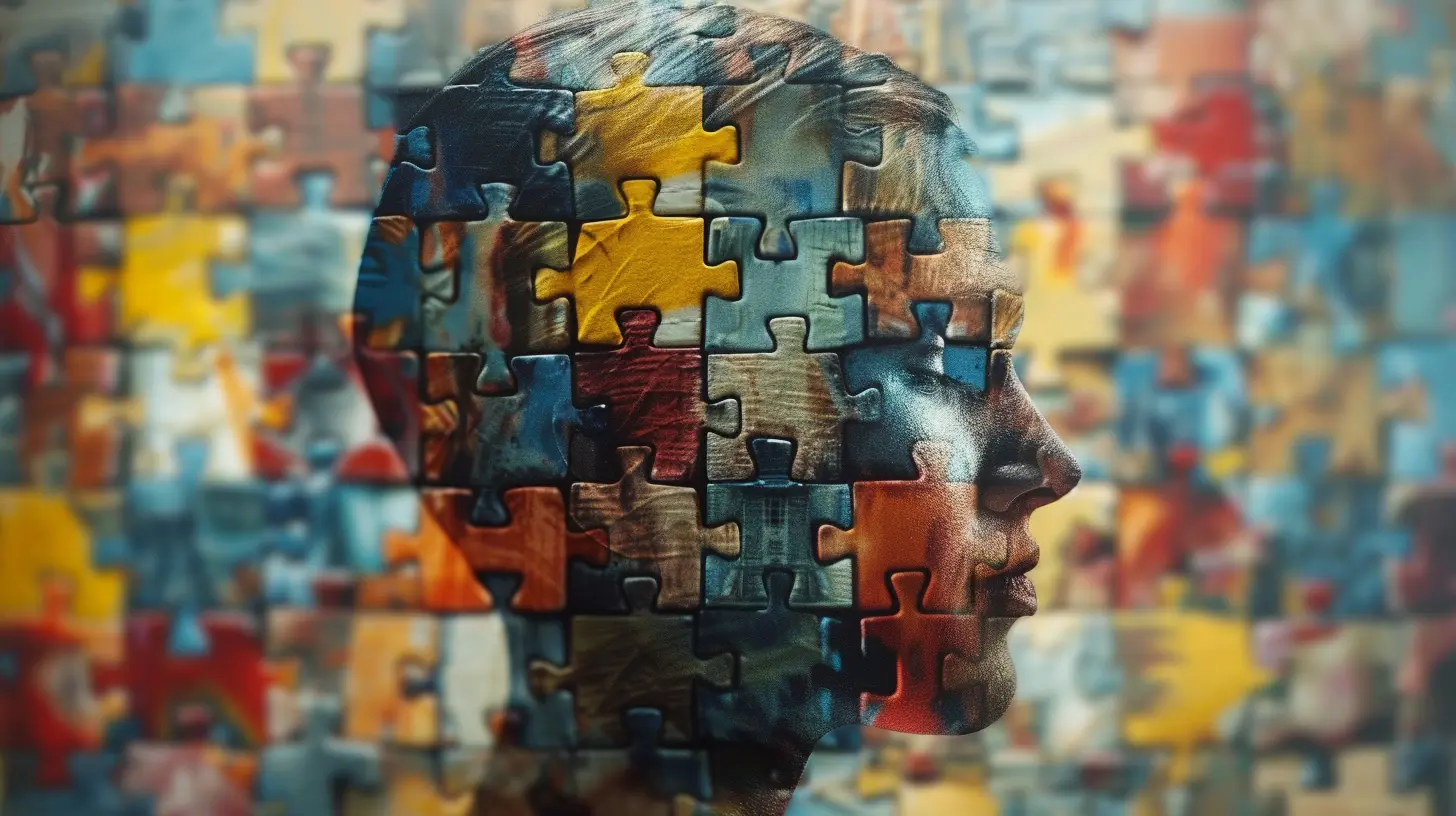
Real-Life Applications: Not Just for Shrinky Thinky Stuff
Let’s take this out of the therapy room for a hot minute. Personality assessments creep into all sorts of places—you just might not notice.In the Workplace
Corporate psychologists use personality tests to assess whether someone’s a good fit for a job or team. (Spoiler alert: if you scored high in neuroticism, they probably won’t put you on the crisis response team.)In Legal Settings
Yep, courts sometimes ask for these tests! Whether it’s determining someone's mental competency or just figuring out custody battles, personality tests can be used as supporting evidence.In Schools
Educational psychologists might use personality tests to identify students who need specialized learning plans—especially if they're struggling socially or behaviorally.In all these settings, the goal is the same: understanding people better, so we can help them more effectively.
But Wait—Are These Tests Even Accurate?
Great question. Honestly? Some more than others.The Good
Tests like the MMPI-2 and the Big Five are backed by decades of research. They have high reliability (meaning they yield consistent results) and validity (meaning they actually measure what they say they’re measuring).The Bad
Some tests, like the MBTI, though wildly popular, don’t hold much water in scientific circles. They’re fun and feel relatable but aren’t great for making serious psychological judgments.Oh, and online quizzes? Unless they’re from a legit psychological platform, they’re about as scientific as your zodiac sign.
(And no shade to astrology—we're all just star dust trying to get through the week.)
Ethical Considerations: Proceed With Caution
Look, slapping someone with a “You’re a psychopath!” diagnosis based on one test would be wildly irresponsible—and unethical.That’s why licensed psychologists use personality tests as part of a comprehensive assessment. They combine test results with interviews, behavioral observations, and sometimes even brain imaging. It's like a psychological buffet—personality tests are just one delicious dish.
Also, psychologists follow strict guidelines meant to protect your privacy, dignity, and well-being. So no, your therapist isn’t gossiping about your test results at brunch.
The Quirky Side of Personality Testing
Even though psychological diagnosis is a serious business, we’d be lying if we said personality testing didn’t have some quirky charm. The truth is, people love learning about themselves—even if the results are filtered through professional jargon.And hey, who doesn't secretly want to know if they're more Yoda or Darth Vader?
Fun fact: Some personality tests have even been adapted into games, apps, and dating platforms. Turns out that understanding people deeply is good for more than just therapy—it’s good for connection, collaboration, and maybe even a few laughs.
Final Thoughts: Should You Take a Personality Test?
So, should you run out and take every personality test you find?Yes—and no.
If you’re curious, self-reflective, or just looking to better understand your quirks and strengths, go ahead! Just know where the line is. Not every online quiz is a window to your soul.
But if you’re struggling with your mental health, and you're looking for answers that go beyond "you’re 78% cinnamon roll," then seeing a licensed psychologist for a formal personality assessment could be genuinely life-changing.
You’re complex, dynamic, and entirely unique. Sometimes, all you need is the right tool to see yourself more clearly.
And who knows—maybe that inkblot really does look like a butterfly.
all images in this post were generated using AI tools
Category:
Psychological AssessmentAuthor:

Christine Carter
Discussion
rate this article
1 comments
Zethryn Holland
Personality tests are like a fun puzzle piece in the big picture of understanding ourselves. They can reveal hidden traits and help us connect dots we might not have noticed. It's fascinating how these assessments can guide both individuals and professionals in navigating the journey of mental health.
July 4, 2026 at 4:47 PM
Christine Carter
I completely agree. Personality tests can really highlight aspects of ourselves that we might overlook, making them valuable tools for personal insight and professional guidance in mental health.