How Chronic Sleep Deprivation Alters Your Brain's Ability to Regulate Emotions
20 March 2026
Let’s be honest—most of us wear sleep deprivation like a badge of honor. We brag about pulling all-nighters, admire people who hustle on just four hours of sleep, and sometimes even have a second cup of coffee before the first one’s finished. But what is this lack of rest actually doing to us—especially to our brains and emotions?
Spoiler alert: it’s not good.
In this article, we’ll dive into how chronic sleep deprivation wreaks havoc on your brain’s ability to regulate emotions. If you’ve ever snapped at someone for no reason or felt on edge after a few sleepless nights, this one’s for you.
Why Sleep Is More Than Just Rest
Before we dig into the dark side of sleep deprivation, let’s talk about what sleep really does. It’s not just about avoiding eye bags or refreshing your energy levels. When we sleep, our brain is incredibly busy—cleaning up waste, organizing memories, and balancing hormones.Kind of like the night shift at a grocery store, right? All the stocking, cleaning, and re-shelving gets done when nobody’s watching. If that shift skips a night—or many nights—chaos starts building up.
What Is Chronic Sleep Deprivation?
Chronic sleep deprivation isn’t just missing a night or two of sleep; it’s a long-term pattern of not getting enough rest. Experts recommend 7–9 hours of sleep per night for adults, but many of us fall short, especially over weeks or months.Skipping sleep occasionally is one thing. But when it turns into a lifestyle? That’s when your brain starts malfunctioning—yes, malfunctioning—especially in the emotional department.
Your Brain’s Emotional Control Center: Meet the Amygdala and Prefrontal Cortex
To understand how sleep deprivation messes with emotions, let’s meet two key players in your brain:- The Amygdala: Your brain’s alarm system. This little almond-shaped structure controls emotional responses, especially fear and aggression.
- The Prefrontal Cortex: The rational thinker. It helps you keep your emotions in check, weigh options, and make sound decisions.
When you’re well-rested, these two areas work beautifully together—like a team. The prefrontal cortex calms the amygdala down when it overreacts. But what happens when you lack sleep?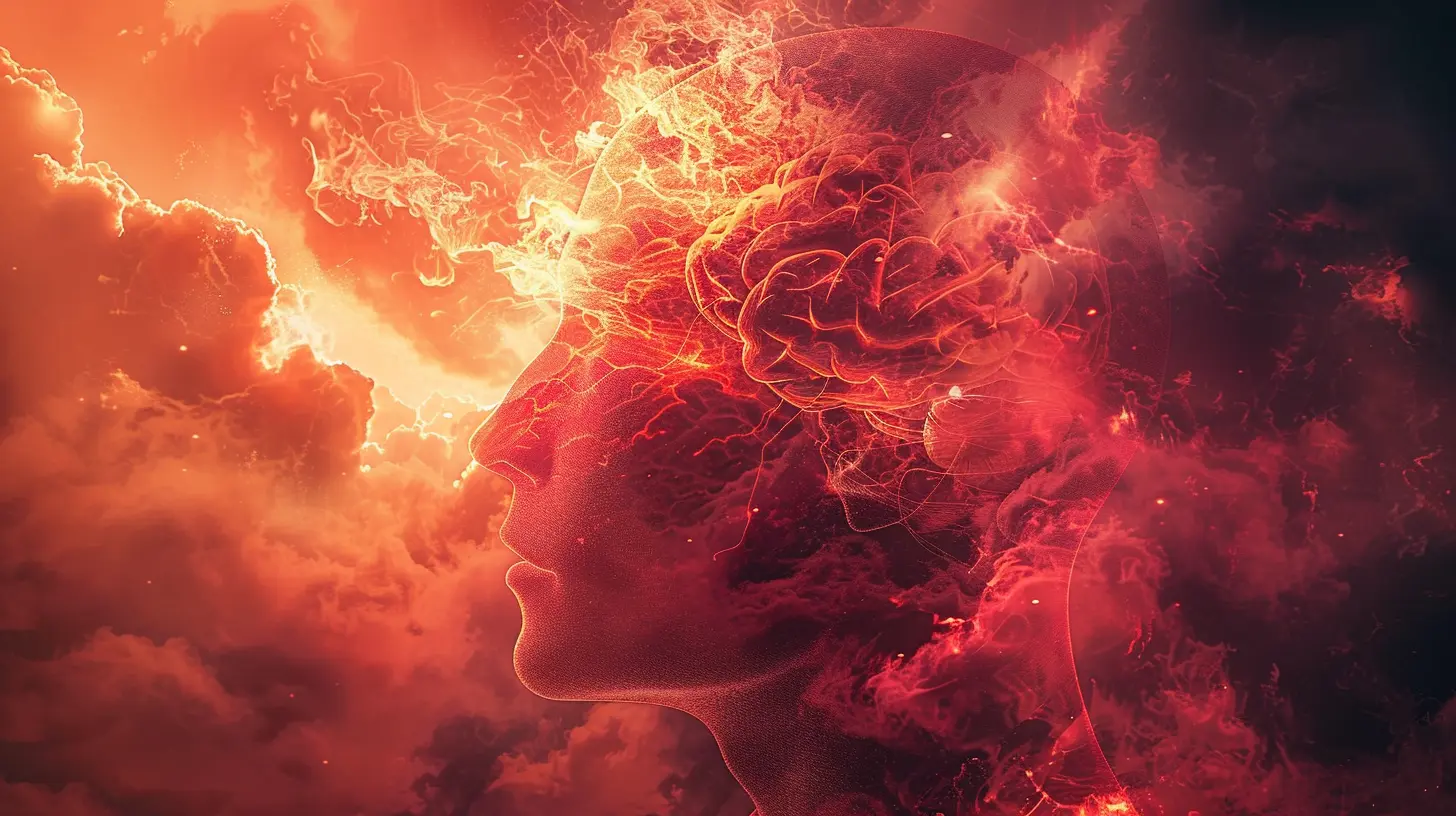
Sleep Deprivation: Turning Your Brain's Inner Chaos Up to 11
The Overreacting Amygdala
Studies show that people who are sleep-deprived have hyperactive amygdalas. That means your emotional alarm system goes haywire, ringing at the smallest provocation. Ever felt like crying over spilled coffee when you were exhausted? That’s your amygdala throwing a tantrum.The Silent Prefrontal Cortex
Worse still, your prefrontal cortex—the one that usually says, “Relax, it’s not a big deal”—starts to shut down. Think of it like your emotional babysitter calling in sick. Now your overexcited amygdala is left unsupervised, and chaos ensues.Emotional Fallout: What Happens When You Lose Control
So, what does all this brain chemistry mean for you in real life? Let’s look at some emotional side effects from chronic sleep deprivation:1. Mood Swings
With a hyperactive amygdala and a disengaged prefrontal cortex, you might feel like you’re riding an emotional rollercoaster. Minor inconveniences become major catastrophes. One minute you're laughing, the next you're irrationally angry.2. Heightened Anxiety
Your brain interprets more situations as threats when you’re sleepy. Suddenly, everyday challenges—like an email from your boss—might feel terrifying. This amplifies feelings of worry, stress, and social anxiety.3. Depression-Like Symptoms
Ongoing sleep loss can mess with neurotransmitters like serotonin and dopamine—the feel-good chemicals in your brain. Without enough of these, your mood plummets. That low, gray feeling that you just can’t shake? Sleep might be the missing puzzle piece.4. Poor Emotional Resilience
When you’re rested, you bounce back from setbacks relatively quickly. But when you’re exhausted, everything feels heavier. A rude comment or a failed plan can wreck your whole day.How Sleep Deprivation Impacts Relationships
You’re not just hurting yourself when you don’t sleep—you’re affecting everyone around you. Think about it: if your emotions are all over the place, your ability to communicate and connect suffers big time.- You’re more likely to misinterpret others’ emotions.
- You become more reactive and less empathetic.
- You struggle with patience and impulse control.
Basically, you’re not your best self, and that can strain friendships, romantic relationships, and workplace dynamics.
The Science Doesn’t Lie: Real Studies, Real Impact
You don’t have to take just our word for it—science backs all of this up.Researchers at UC Berkeley found that sleep-deprived participants had a 60% increase in amygdala activity. Even worse, brain scans showed reduced connectivity between the amygdala and the prefrontal cortex. That’s like cutting the phone lines between the part of your brain that screams and the part that says, “Chill.”
Another study in the journal Sleep found that people who were sleep-deprived were more likely to react negatively to neutral or even positive stimuli. Translation: You’re more likely to be pessimistic and irritable about...everything.
Why Willpower Isn’t Enough
You might be thinking, “I can handle it. I’ll just push through.” But emotional regulation isn’t just about effort—it’s about brain function, and your brain literally can’t do it properly when it’s running on empty.Imagine trying to drive a car with no brakes on an icy road. You can steer all you want, but you’re still sliding out of control. That’s your emotional response when your brain’s sleep-deprived.
Chronic Sleep Loss and Mental Health: A Vicious Cycle
Here’s where it gets even trickier: chronic sleep deprivation doesn’t just cause mood disorders—it’s also caused by them. Anxiety keeps you up at night. Depression disrupts sleep cycles. And around and around you go.Breaking that cycle is tough, but recognizing the connection is the first step.
Can You Reverse the Effects?
Okay, let’s now shift from doom and gloom to some hope. The truth is, many of the emotional and mental impacts of chronic sleep deprivation can be reversed—if you take sleep seriously.Start With These Simple Steps:
- Prioritize a regular sleep schedule – even on weekends.- Create a wind-down routine. Ditch the screens, dim the lights, maybe read a book or take a warm shower.
- Limit caffeine and alcohol, especially close to bedtime.
- Make your sleep environment cozy. Cool, dark, and quiet is the goal.
- Don’t ignore persistent sleep issues. If insomnia is affecting your life, talk to a professional.
Think of good sleep hygiene as emotional insurance. Invest in rest, and your brain will thank you.
Final Thoughts: Sleep Is Your Emotional Anchor
We love to believe we can outsmart biology. That we’re too busy, too driven, too important to sleep. But here’s the deal—your brain doesn’t care how busy you are. It needs sleep to function, especially when it comes to emotions.Without proper rest, your emotional regulation system becomes a wild animal with a broken leash. You’re triggered more easily, less rational, and emotionally drained. But by making sleep a priority, you're not just resting your body—you're stabilizing your mind.
So the next time you consider skipping rest in the name of productivity, remember this: sleep isn’t a luxury; it’s a necessity. And when it comes to your emotional well-being, it might just be the most powerful tool you have.
all images in this post were generated using AI tools
Category:
Sleep And Mental HealthAuthor:

Christine Carter
Discussion
rate this article
2 comments
Viviana Gray
This article sheds light on an important topic. Understanding how sleep affects our emotions can help us make better choices for our mental health. Prioritizing sleep may just be the key to feeling more balanced and in control.
June 26, 2026 at 4:14 AM
Christine Carter
Thank you for your insight. Sleep truly plays a crucial role in emotional health, and I'm glad the article resonated with you. Prioritizing sleep is essential for balance.
Whitney Pruitt
Sleep deprivation isn't just about feeling tired; it's a stealthy thief, robbing our brains of emotional regulation. Understanding this connection sheds light on why prioritizing sleep is essential—not just for rest, but for mental resilience and emotional health.
April 21, 2026 at 3:04 AM
Christine Carter
Absolutely. Sleep is crucial for emotional balance. When we don't prioritize it, our mental resilience takes a hit. Thanks for highlighting this important link.