Holistic Therapies That Are Changing Lives by 2026
24 April 2026
You know that feeling when you’ve tried everything—therapy, meditation apps, maybe even that weird magnesium spray your cousin swears by—and you still wake up feeling like a half-charged phone at 3 PM? Yeah, me too. By 2026, the world of mental health is getting a serious glow-up, and it’s not just about popping pills or lying on a couch talking about your childhood hamster. Holistic therapies are stepping into the spotlight, and they’re not messing around. These aren’t your grandma’s crystal-healing vibes (though, hey, if that works for her, power to her). We’re talking about real, science-backed, soul-nudging practices that are literally rewiring how people cope, heal, and thrive. So, grab your favorite mug of tea, get comfy, and let’s dive into the weird, wonderful, and wildly effective world of holistic therapies that are changing lives by 2026.
Why Holistic Therapies Are Having a Moment (And Why You Should Care)
Let’s be real: life in 2025 has been a dumpster fire for a lot of us. Between climate anxiety, social media burnout, and the lingering hangover of a global pandemic, our nervous systems are fried. Traditional approaches—like talk therapy or medication—are fantastic, but they don’t always address the whole picture. You can’t just fix your brain if your gut is screaming, your body is tense, and your soul feels like it’s running on fumes. That’s where holistic therapies come in. They treat you like a whole person, not just a collection of symptoms. Think of it like fixing a car: you wouldn’t just replace the spark plugs if the tires are flat and the engine is leaking oil, right? Holistic therapies are the full tune-up.By 2026, this isn’t a fringe trend anymore. It’s mainstream. People are ditching the “grind-and-crash” lifestyle for something more sustainable. They’re asking, “What if I could feel good without forcing it?” And the answer is a resounding “Yes, you can, but you’ll need to get a little weird with it.”
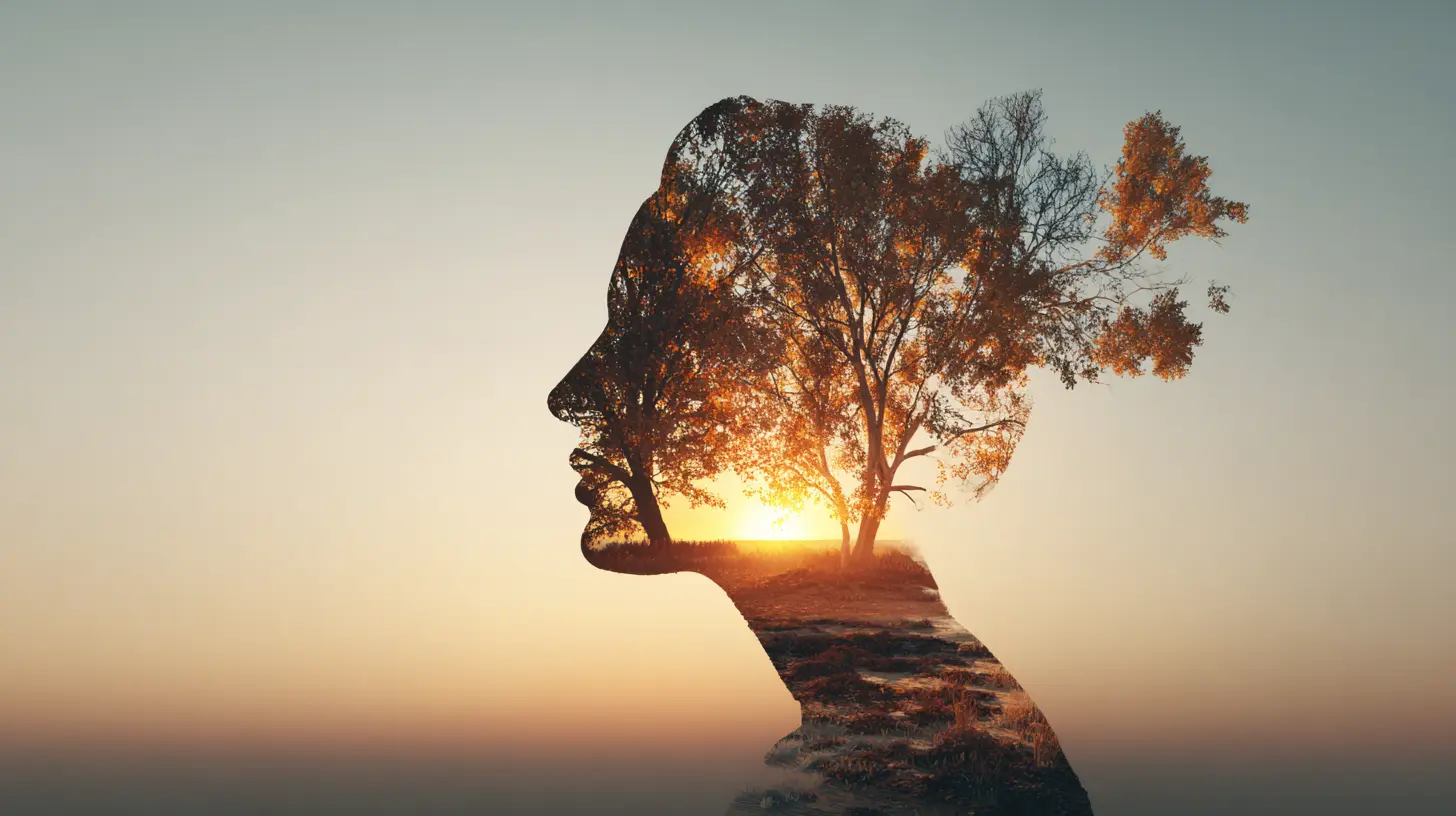
The Top Holistic Therapies That Are Actually Changing Lives by 2026
1. Somatic Therapy: Getting Out of Your Head and Into Your Body
You’ve heard the phrase “trust your gut,” but have you ever actually listened to it? Somatic therapy is all about that. It’s a fancy way of saying “pay attention to what your body is telling you.” By 2026, this is exploding because people are tired of overthinking. You can’t think your way out of trauma or anxiety—you have to feel your way through it.Imagine your body is a storage unit for all the stuff you’ve never processed: that awkward breakup, the time you got yelled at by your boss, the weird tension you carry in your shoulders. Somatic therapy helps you unlock that unit, one breath at a time. Practitioners guide you to notice physical sensations—a tight chest, a clenched jaw, a flutter in your stomach—and then gently release them. It’s like giving your nervous system a permission slip to chill out.
Why it’s life-changing: People who’ve tried it report feeling lighter, more grounded, and less reactive. By 2026, it’s becoming a go-to for anyone who’s ever felt “stuck” in their own skin. And honestly, who hasn’t?
2. Breathwork: The Free Drug That Actually Works
Let’s talk about breathwork. It sounds so simple, right? Just breathing? But hold on—have you ever actually tried to breathe properly? Most of us are walking around with shallow, chest-only breaths that keep us in a constant state of low-grade panic. Breathwork is the antidote.By 2026, breathwork is having a renaissance. You’ve got everything from the Wim Hof method (cold showers and hyperventilation—not for the faint of heart) to holotropic breathwork (which can induce altered states of consciousness). It’s like a reset button for your brain. One session can leave you feeling like you just had a three-hour nap and a therapy session rolled into one.
Here’s the kicker: it’s free. You don’t need a subscription, a fancy app, or a special room. Just your lungs and a willingness to look a little silly. People are using breathwork to manage panic attacks, process grief, and even boost creativity. By 2026, it’s not just a trend—it’s a survival skill.
3. Psychedelic-Assisted Therapy: The Comeback Kid
Okay, let’s address the elephant in the room: psychedelics. By 2026, this is no longer a taboo topic whispered at dinner parties. Psilocybin (magic mushrooms), MDMA, and ketamine are being studied and used in clinical settings to treat depression, PTSD, and addiction. And the results? Mind-blowing, pun intended.But here’s the thing: it’s not about getting high. It’s about using these substances in a controlled, therapeutic setting to break down old neural pathways and build new ones. Think of it like rebooting a computer that’s been frozen for years. Patients often report profound insights, emotional releases, and a sense of connection that lasts long after the session ends.
By 2026, more states and countries are legalizing or decriminalizing these therapies. It’s not for everyone—you need a trained guide and a safe environment—but for those who’ve tried everything else, it’s a lifeline. Just don’t try this at home, folks. Leave it to the pros.
4. Forest Bathing: Nature’s Chill Pill
If you’re thinking, “Wait, I just walk in the woods and that’s therapy?” Yes, but with intention. Forest bathing, or shinrin-yoku, is a Japanese practice that’s been around for decades, but by 2026, it’s hitting the mainstream in a big way. The idea is simple: immerse yourself in nature, using all five senses, without any goal other than to be present.No, you don’t need to hug a tree (though you can if you want). You just need to slow down. Listen to the crunch of leaves, smell the damp earth, feel the breeze on your skin. Studies show it lowers cortisol, boosts immune function, and improves mood. It’s like nature is giving you a free therapy session, and all you have to do is show up.
By 2026, urban planners are even designing “forest bathing trails” in cities. Because let’s be honest, we all need a break from the constant ping of notifications. Your phone can wait. The trees cannot.
5. Sound Healing: Vibrations That Fix Your Brain
Sound healing sounds woo-woo, I know. But hear me out. Have you ever felt chills when a song hits just right? That’s your body responding to vibration. Sound healing takes that concept and cranks it up. Using instruments like singing bowls, gongs, or even tuning forks, practitioners create frequencies that can shift your brainwaves from “anxious beta” to “chill alpha” or even “dreamy theta.”By 2026, sound baths are popping up everywhere—from yoga studios to corporate wellness programs. People lie down, close their eyes, and let the sounds wash over them. It’s like a massage for your ears and your nervous system. Some studies suggest it can reduce pain, improve sleep, and even help with trauma release.
Is it magic? No. But it’s a powerful tool for resetting your mental state. And honestly, in a world that’s constantly loud, sometimes you need to be loud in a different way to find peace.
6. Nutritional Psychiatry: You Are What You Eat (Literally)
Here’s a radical idea: what if your anxiety is actually your gut screaming at you? Nutritional psychiatry is the study of how food affects mental health, and by 2026, it’s a game-changer. We’re not just talking about “eat your veggies.” We’re talking about specific diets that reduce inflammation, balance blood sugar, and support the gut-brain axis.For example, the Mediterranean diet is linked to lower rates of depression. Fermented foods like kimchi and sauerkraut boost gut bacteria that produce serotonin. And cutting out processed sugar can reduce brain fog and mood swings. It’s not a cure-all, but it’s a foundation.
By 2026, more therapists are integrating nutrition into their practice. Imagine a session where your therapist asks, “What did you eat for breakfast?” instead of “How does that make you feel?” It’s a shift from “fix the mind” to “feed the mind.” And it’s working.
7. Ecotherapy: Healing the Planet Heals You
Ecotherapy is like forest bathing’s more activist cousin. It’s based on the idea that humans are part of nature, not separate from it. By 2026, as climate anxiety spikes, ecotherapy is offering a way to cope. It involves activities like gardening, conservation work, or simply spending time in green spaces with a purpose.The logic is simple: when you help the planet, you help yourself. Planting a tree, cleaning up a beach, or even just tending a houseplant can reduce feelings of helplessness and boost your mood. It’s a reminder that you’re part of something bigger.
Plus, it gets you outside and moving. No prescription needed. By 2026, community gardens and “green prescriptions” are becoming common. Your doctor might say, “I’m prescribing you two hours of gardening a week.” And honestly, that sounds way better than a pill.
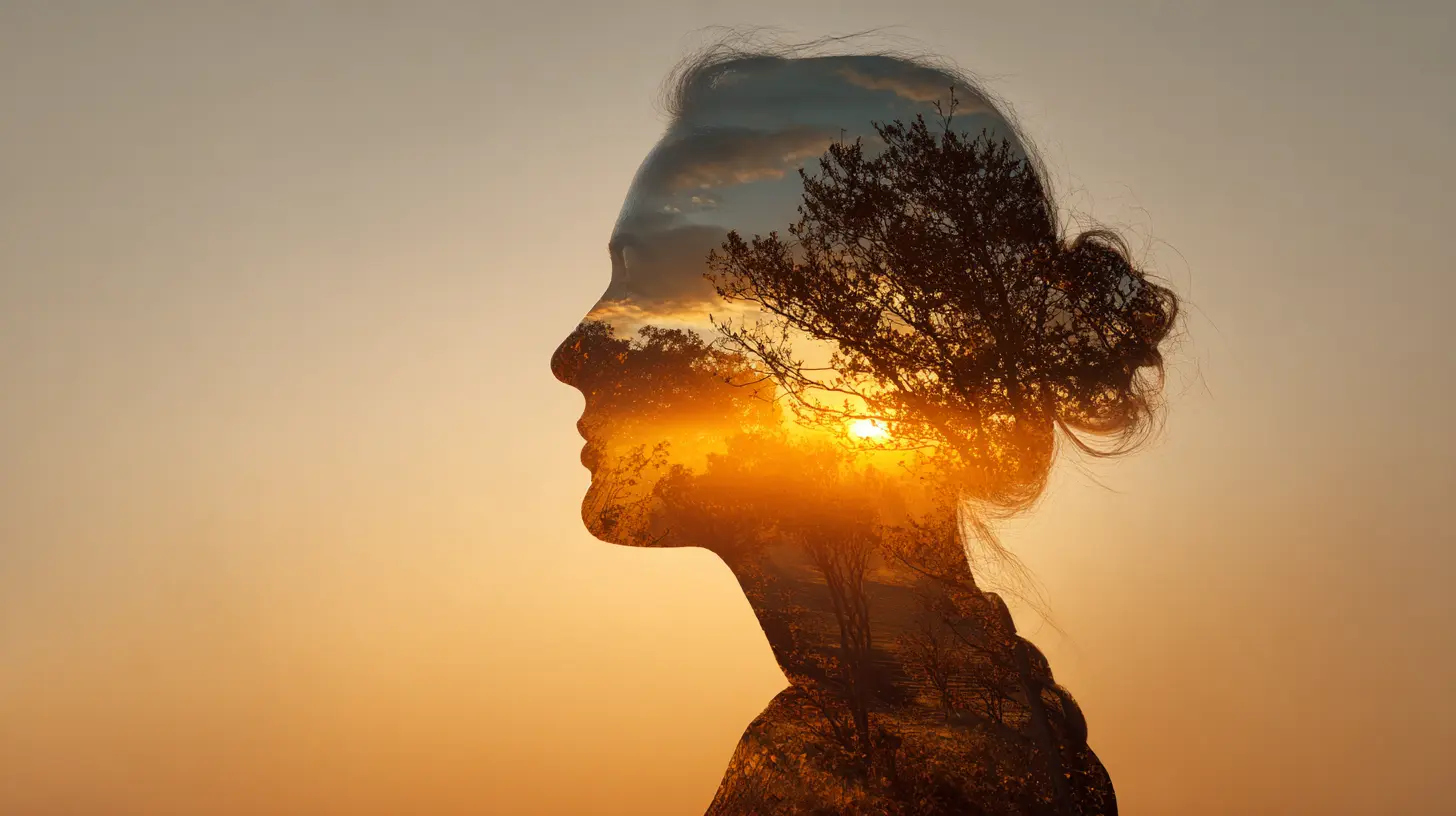
How to Start Your Holistic Journey Without Losing Your Mind
Okay, so you’re intrigued. But where do you start? The holistic world can feel overwhelming—there’s a thousand modalities, a million Instagram influencers, and a lot of conflicting advice. Here’s the secret: you don’t have to do it all. Pick one thing that resonates and try it for a month.Start with breathwork. It’s free, easy, and you can do it right now. Take a deep breath in for four counts, hold for four, exhale for six. Feel that? That’s your nervous system saying, “Thank you.”
Or try a somatic check-in. Close your eyes and scan your body from head to toe. Where do you feel tension? Just notice it without judgment. That’s it. You’re already doing it.
The point isn’t perfection. It’s progress. By 2026, the goal isn’t to be “healed” (whatever that means). It’s to be more present, more connected, and more alive. And these therapies are the tools to get you there.
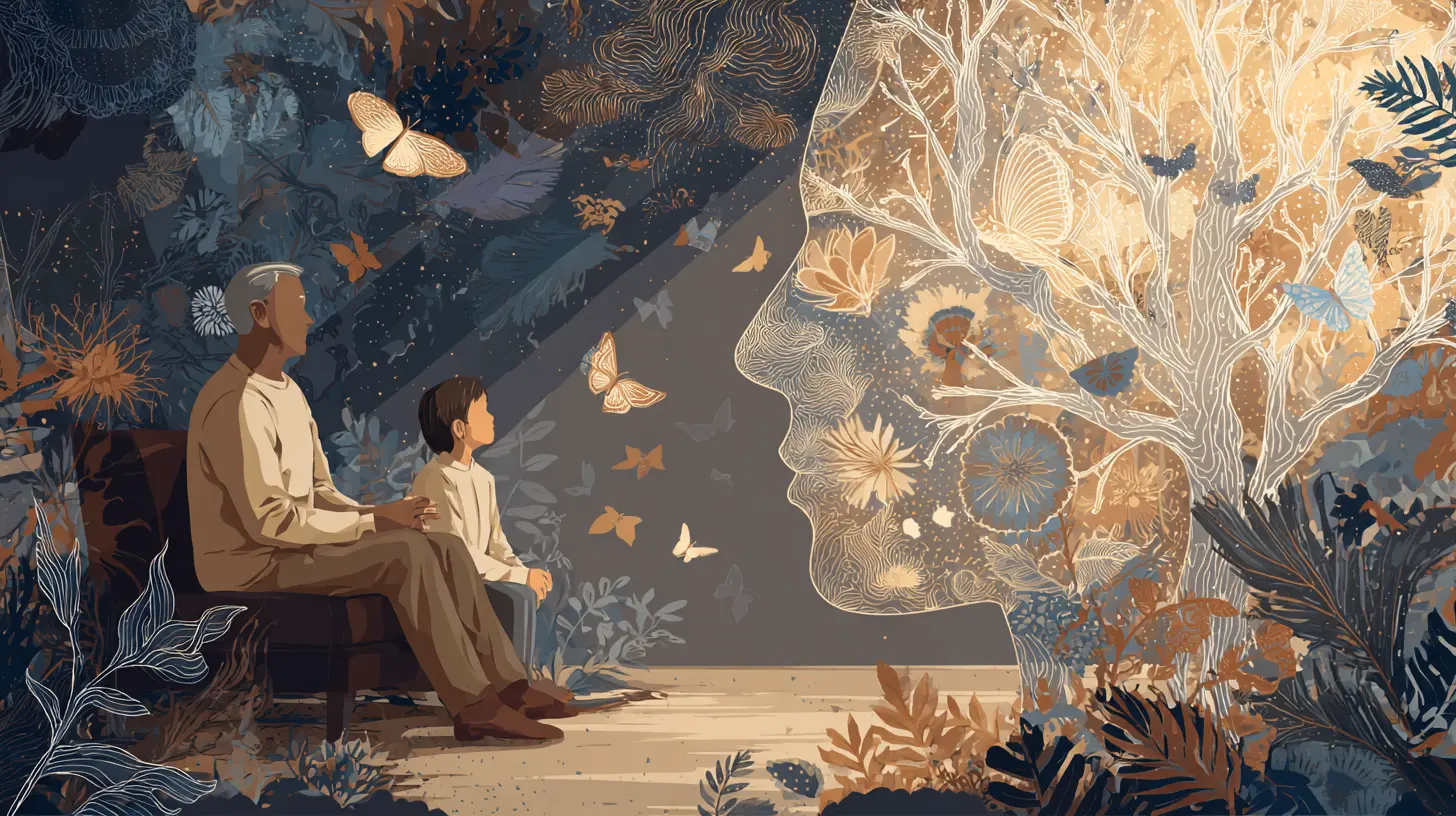
The Future Is Holistic (And That’s a Good Thing)
Let’s be honest: the world isn’t getting any less chaotic. But by 2026, we’re finally realizing that we don’t have to suffer in silence or rely on quick fixes. Holistic therapies offer a path that’s messy, beautiful, and deeply human. They remind us that healing isn’t a destination—it’s a practice.So, whether you’re lying on a sound bath mat, walking barefoot in the woods, or eating a bowl of sauerkraut, know this: you’re not alone. Millions of people are waking up to the idea that you can feel better without forcing it. You just have to be willing to try something a little different.
And hey, if nothing else, you’ll have some great stories to tell at parties. “Oh, this one time I did breathwork and cried for an hour? Yeah, it was amazing.” Trust me, by 2026, that’s going to be the most normal thing you’ve ever said.
all images in this post were generated using AI tools
Category:
Holistic Mental HealthAuthor:
Christine Carter
Discussion
rate this article
1 comments
Kian Price
Exciting to see psychology embracing the whole person—mind, body, and environment. These holistic shifts could finally bridge the gap between clinical treatment and true, lasting well-being.
April 29, 2026 at 4:13 PM
Christine Carter
I completely agree! Integrating all aspects of a person can truly enhance treatment outcomes and promote lasting wellness. Exciting times ahead!