Exploring the Relationship Between Childhood Abuse and Later Criminality
25 May 2026
It’s heartbreaking to think about, but the things we experience as children—especially traumatic ones—don’t just disappear when we grow up. They stick with us, shaping the way we view the world, how we treat others, and even how we treat ourselves. One of the most talked-about, yet often misunderstood, connections within psychology is the link between childhood abuse and later involvement in criminal behavior.
Now, let’s be real—this isn’t a black-and-white topic. Not every child who goes through abuse ends up on the wrong side of the law. And not everyone who commits a crime has been abused. But... there is a pattern. There are clues. There’s a story behind every mugshot. And more often than not, that story starts in childhood.
So, let's dive into what this relationship looks like, why it exists, and what we—both as individuals and as a society—can do about it.
What Counts as Childhood Abuse?
Before we explore the “why,” let’s define what we mean by “childhood abuse.” It’s more than bruises and broken bones. Abuse can be physical, sure, but it can also be emotional, sexual, or even neglectful. Sadly, emotional scars often run deeper and linger longer than physical ones.Let’s break it down a bit:
- Physical abuse: Hitting, slapping, burning, or otherwise physically hurting a child.
- Sexual abuse: Any form of sexual activity with a minor, including exposure to inappropriate content.
- Emotional abuse: Constant criticism, threats, rejection, or other behaviors that harm a child’s self-worth.
- Neglect: Ignoring a child’s basic needs like food, shelter, education, and emotional support.
Even one of these is enough to do long-term psychological damage. But many children experience more than one, leading to a ripple effect throughout their lives.
How Abuse Warps the Brain and Behavior
Let’s talk science for a second. Our brains are like clay when we’re young—pliable, sensitive, and deeply affected by our surroundings. So when a child is abused, their brain doesn't develop the same way as a child who is loved and nurtured. Simple as that.Chronic stress from abuse can mess with:
- Cortisol levels (your stress hormone)
- Amygdala size and function (your brain’s fear center)
- Prefrontal cortex efficiency (responsible for impulse control and decision-making)
- Attachment systems (how we connect with others)
This mixture can lead to emotional regulation issues, poor decision-making, and trouble understanding consequences. And hey—if the world has always been a dangerous, unpredictable place, it makes sense that someone might grow up to trust no one and act out in aggressive or antisocial ways.
The Link Between Trauma and Crime: More Than Coincidence
Okay, so you've got a child who’s been through hell—neglected, abused, emotionally scarred. Fast forward twenty years. They’re in and out of jail, getting into fights, using drugs, maybe stealing to survive. Coincidence? Not likely.Common Pathways from Abuse to Crime
Let’s talk about how that journey often unfolds:1. Broken Trust
Imagine growing up where the very people who were supposed to love and protect you actually hurt you. That messes with your view of relationships, right? It becomes hard to trust, to form healthy bonds, or to follow social rules.
2. Poor Coping Mechanisms
When kids don’t learn healthy ways to process fear, sadness, or rage, they find unhealthy ones—violence, drug abuse, aggression.
3. Seeking Control
Powerlessness in childhood can lead to a burning need to feel "in control" later. Unfortunately, that control may come through dominating others, joining gangs, or criminal activity.
4. Negative Peer Influence
Without a stable home life, kids often seek belonging elsewhere—sometimes on the streets. Vulnerable youth are easy prey for bad influences.
5. School and Academic Struggles
Abuse-affected kids often struggle in school, leading to low self-esteem and limited opportunities. With few job prospects, crime can feel like the only option.
It’s not about making excuses. It’s about understanding the “why” behind the action. Hurt people hurt people, as the saying goes.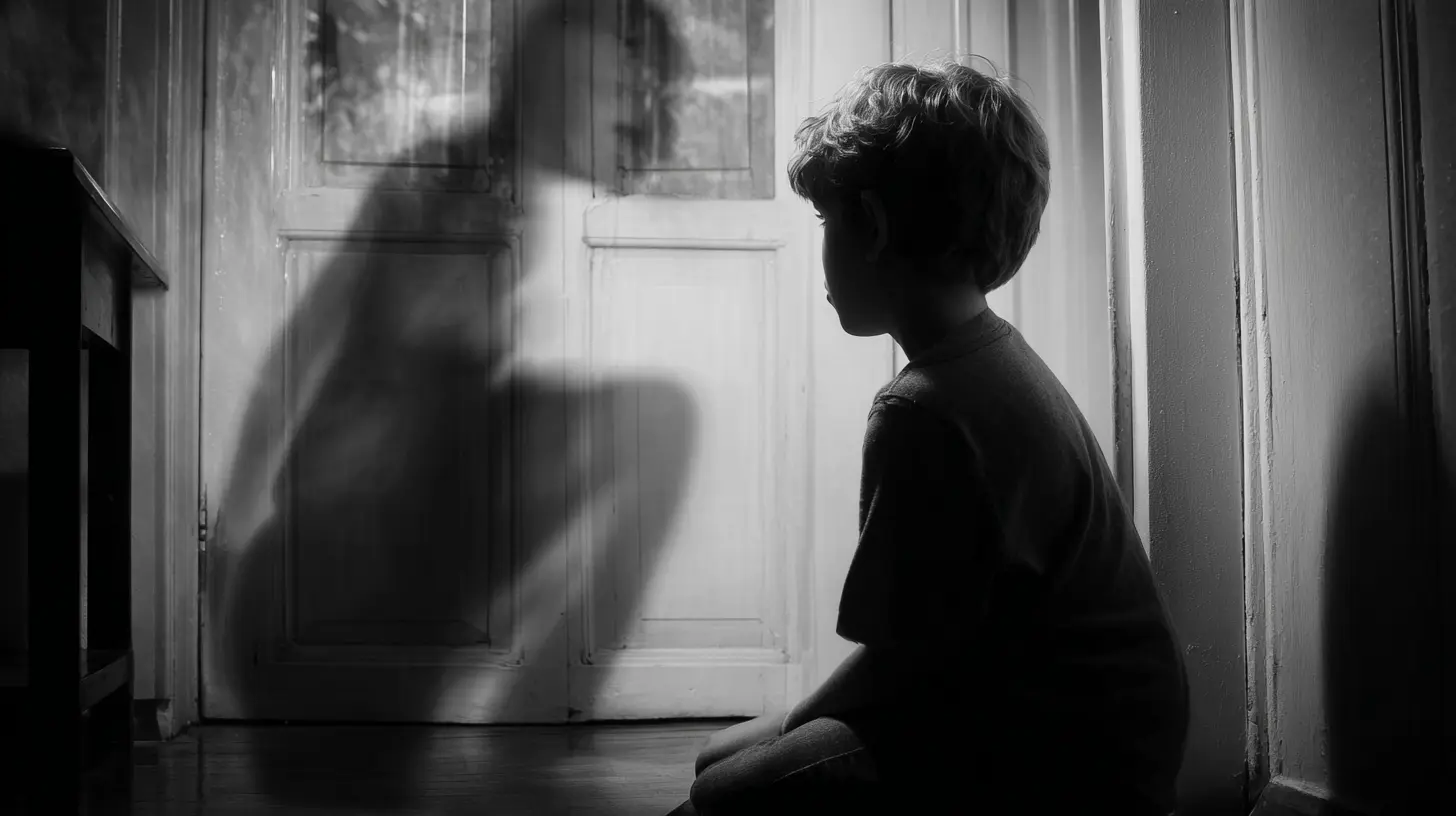
Not All Survivors Become Offenders: The Role of Resilience
Hold on—before we go thinking all abuse survivors are doomed, let’s talk resilience.Many people survive horrific childhoods and go on to live healthy, lawful lives. Why? Because of protective factors—those things that buffer the impact of trauma.
Examples include:
- A caring adult (teacher, mentor, extended family)
- Therapy or early intervention
- Good schools and supportive community programs
- Personal traits like optimism or strong problem-solving skills
Resilience is like emotional armor. It doesn’t prevent the pain, but it can keep the wounds from turning into lifelong scars.
Real-Life Stories That Speak Volumes
Let’s put faces to this issue. You can Google countless stories of people—especially men—who’ve served time and later shared that their journey into crime started with childhood trauma. But it’s not just anecdotal.One study found that over 50% of incarcerated individuals had experienced some sort of abuse in childhood. That’s not a small percentage. That’s a loud message we can’t ignore.
Take the story of Terrance, for example. Abused from age six, in foster care by ten, and locked up by fifteen. His life spiraled from one crisis to another. Now in recovery and helping others with similar stories, he says, “I wasn’t born bad. I was just never taught how to be good.”
It’s that simple… and that tragic.
The Justice System: Punishing the Symptom, Ignoring the Cause?
Let’s be blunt. Our justice system isn’t always great at recognizing trauma. Sure, some programs aim to rehabilitate, but most focus on punishment. That’s like putting a band-aid on a bullet wound.We send people to prison without asking:
“What happened to you?”
Instead, we ask:
“What’s wrong with you?”
That’s a huge problem because if we don’t address the root cause—childhood trauma—we're just recycling pain. People get out, carry the same wounds, and fall right back into the system.
So What Can We Do About It?
This isn’t just a “government problem” or a “social worker issue.” This is a human problem, and we all play a role in solving it.1. Early Intervention is Key
The earlier we identify abuse, the better the chances of healing. Schools, pediatricians, and community programs need tools to spot the signs and resources to help.2. Trauma-Informed Care
From teachers to police officers, everyone dealing with vulnerable youth should be trauma-trained. Understanding how trauma rewires the brain can change how we react to behavior.3. Supportive Relationships
Don’t underestimate the power of one caring adult. A teacher, a coach, a neighbor—someone who shows up, listens, and believes in them. That can save a life.4. Therapy Isn’t Optional—It’s Essential
Talk therapy, EMDR (eye movement desensitization and reprocessing), art therapy—these can all help survivors process their experiences and reduce the risk of unhealthy behaviors later on.5. Reform the System
Prisons need to be more about rehabilitation than punishment. That means offering mental health services, education, and trauma recovery programs inside correctional facilities.Final Thoughts: A Cycle We Can Break
Childhood abuse doesn’t have to be a life sentence. But if we ignore it, pretend it doesn’t matter, or treat people like numbers instead of stories, we’ll keep seeing the same tragic results.It all comes down to compassion, understanding, and action. Every time we help a child feel safe, every time we support a survivor, we’re cutting off one thread in the web that ties trauma to crime.
We can break the cycle. But first, we have to see it.
all images in this post were generated using AI tools
Category:
Forensic PsychologyAuthor:

Christine Carter
Discussion
rate this article
1 comments
Gabriella Baxter
Understanding the roots of behavior can empower us to break cycles of pain and foster healing for brighter futures.
June 10, 2026 at 4:58 AM
Christine Carter
Absolutely, understanding these roots is crucial. It not only helps break the cycle but also paves the way for healing and positive change.