Developing a Growth Mindset for Personal and Professional Success
13 April 2026
Have you ever wondered why some people seem to thrive no matter what challenges life throws their way? They take failures in stride, adapt to new situations, and constantly improve themselves. The secret isn’t luck or raw talent—it’s a growth mindset.
A growth mindset transforms the way you approach learning, setbacks, and success. Whether you're striving to advance in your career or improve your personal life, adopting this mentality can be a game-changer. But what exactly is a growth mindset, and how can you develop it? Let’s break it down. 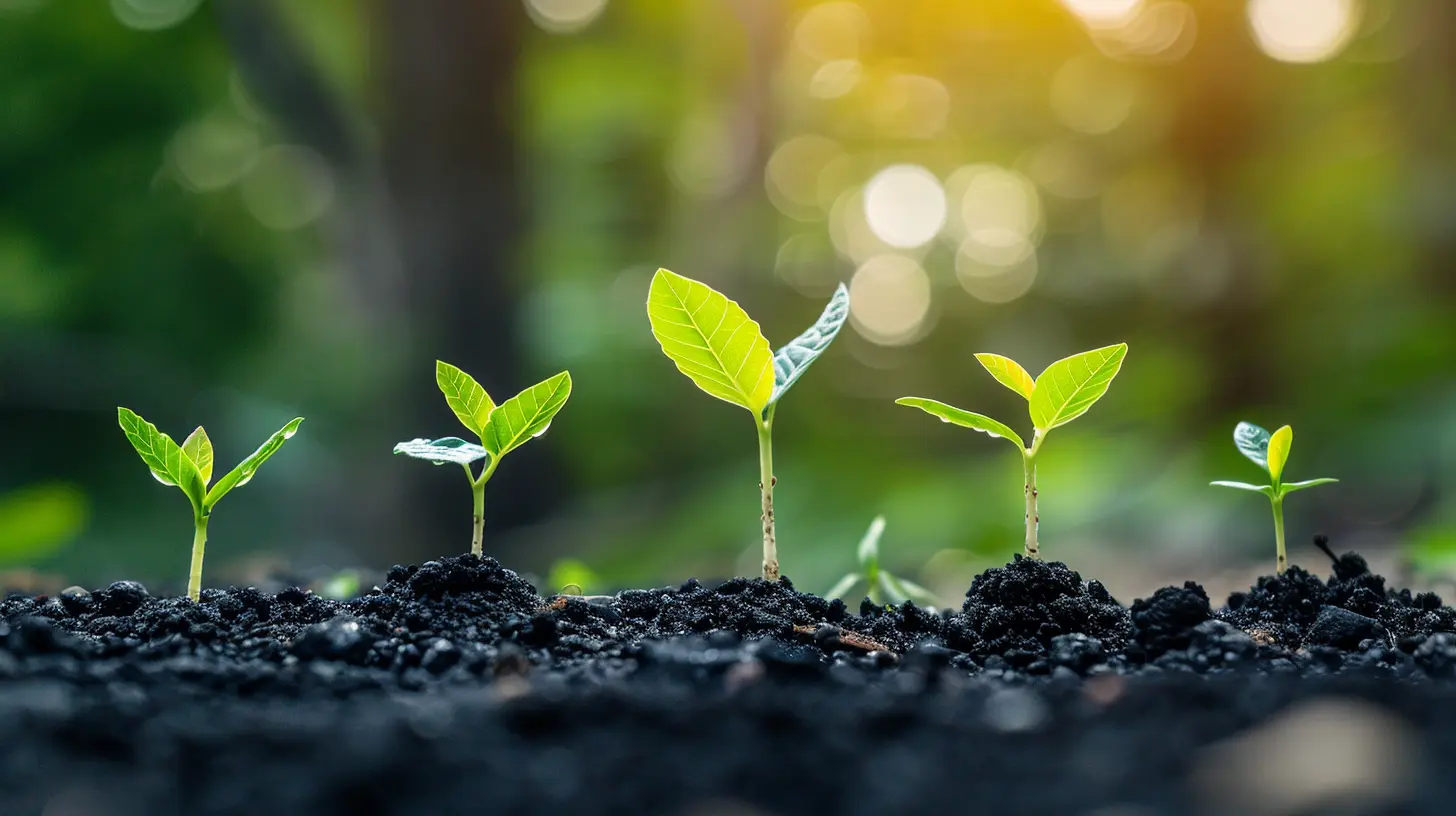
What Is a Growth Mindset?
At its core, a growth mindset is the belief that intelligence, abilities, and talents can be developed through effort, learning, and perseverance. This concept was introduced by psychologist Carol Dweck, who discovered that people generally have one of two mindsets:- Fixed Mindset – People with a fixed mindset believe their abilities are set in stone. They avoid challenges, fear failure, and see effort as pointless.
- Growth Mindset – Those with a growth mindset see challenges as opportunities to learn. They embrace feedback, persist through difficulties, and believe they can improve with effort.
Why Does It Matter?
Imagine two employees starting the same job. One gives up after making a few mistakes, thinking they’re just "not cut out for this." The other learns from their errors, improves their skills, and eventually excels. The difference? Mindset.A growth mindset fosters resilience, adaptability, and continuous improvement—traits that lead to both personal fulfillment and professional success. 
The Benefits of a Growth Mindset
So, why should you care about developing a growth mindset? Here are some powerful reasons:1. Boosts Resilience
Life is full of obstacles. A growth mindset helps you bounce back from failures instead of letting them define you. Instead of saying, "I can't do this," you start asking, "How can I improve?"2. Enhances Learning and Development
With a growth mindset, you're always eager to learn. Instead of fearing mistakes, you see them as stepping stones to mastery. This can supercharge your personal and professional growth.3. Encourages Adaptability
The world is constantly changing, and those who adapt thrive. A growth mindset makes it easier to embrace change, learn new skills, and stay ahead in your career.4. Leads to Greater Achievement
When you believe effort leads to success, you push yourself harder. Over time, this persistence pays off in the form of better skills, higher confidence, and more accomplishments.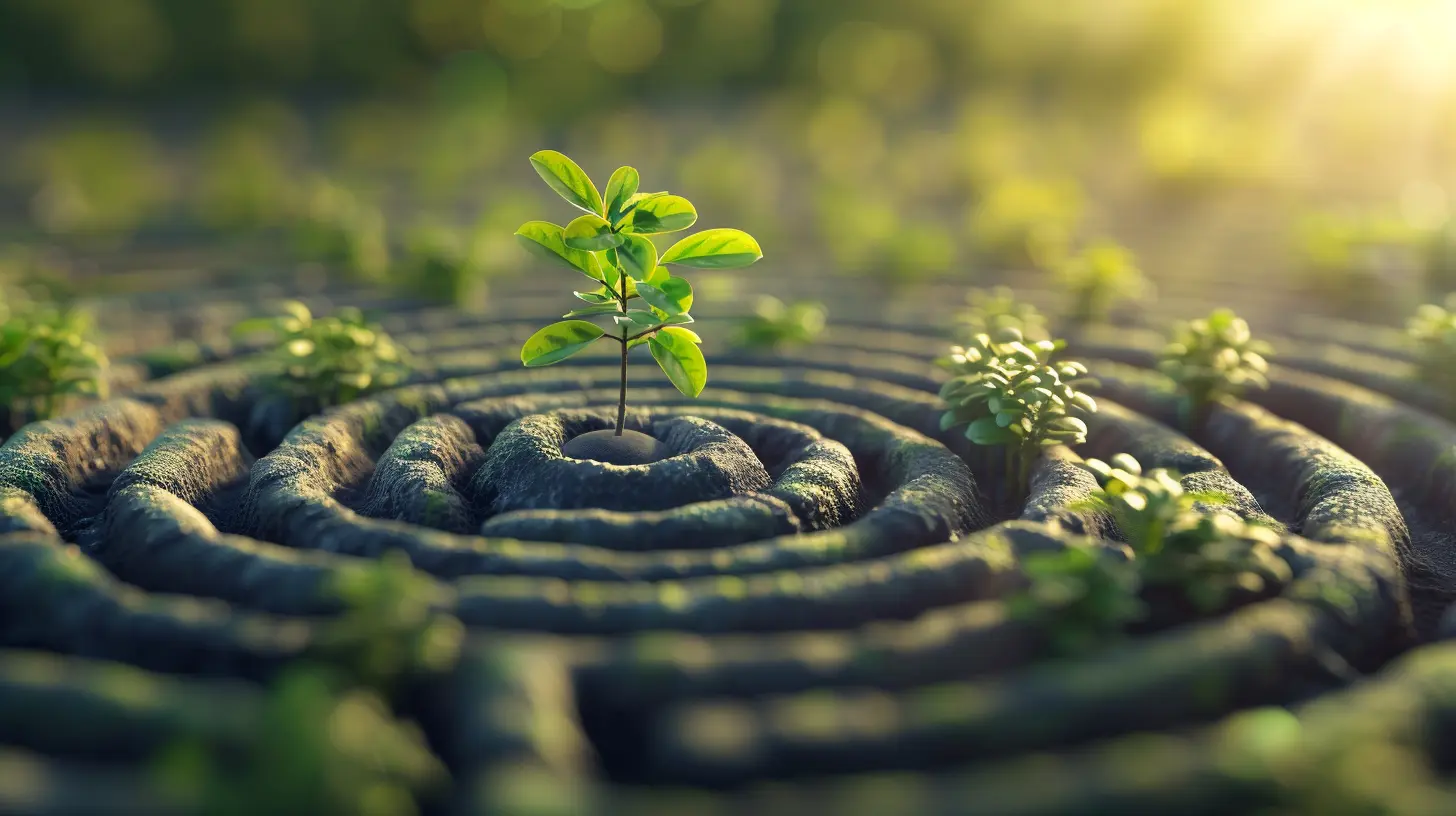
How to Develop a Growth Mindset
Now that we know why a growth mindset is so powerful, let’s talk about how you can cultivate one.1. Reframe Your Self-Talk
The way you talk to yourself matters. If your inner voice is constantly saying, “I’m terrible at this,” your brain believes it.Instead, try:
- Instead of: "I'm bad at this."
Say: "I'm still learning, and I’ll get better with practice."
- Instead of: "I failed."
Say: "This is a learning experience."
By shifting your self-talk, you gradually build confidence and resilience.
2. Embrace Challenges
Do you avoid challenges because you fear failing? Flip the script. Challenges aren’t roadblocks—they’re opportunities. The next time something feels difficult, remind yourself that struggle leads to growth.3. Learn from Criticism
Nobody likes being criticized, but feedback is one of the most valuable tools for growth. Instead of taking it personally, ask yourself:"How can I use this to improve?"
The most successful people actively seek feedback because they know it helps them evolve.
4. Develop a Love for Learning
Ever noticed how curious children are? They love asking questions and absorbing new information. Adopt that same curiosity.Read books, take online courses, listen to podcasts—whatever helps you expand your knowledge and skills.
5. Surround Yourself with Growth-Minded People
You've probably heard the saying: "You are the average of the five people you spend the most time with." If you're surrounded by people who complain, avoid challenges, or fear change, their mindset will rub off on you.Instead, spend time with people who:
✅ Embrace learning
✅ Push themselves beyond comfort zones
✅ Support and encourage growth
Their energy and mindset will inspire you to do the same.
6. Practice Persistence
Growth takes time. You won’t master a new skill overnight, and that’s okay. The key is to keep going. Consistency beats perfection every time.When things get tough, remind yourself that even the most successful people faced setbacks before achieving greatness.
7. Celebrate Small Wins
Recognizing progress—even the small steps—keeps you motivated. Instead of only focusing on big milestones, take a moment to celebrate what you've already accomplished.Example:
- Learned a new skill? Celebrate!
- Overcame a fear? Give yourself credit!
- Took a step outside your comfort zone? That’s a win!
A growth mindset isn’t just about reaching the finish line. It’s also about appreciating the journey. 
Overcoming Common Growth Mindset Barriers
Developing a growth mindset isn’t always easy. Here are some common obstacles and how to overcome them:Fear of Failure
Instead of viewing failure as a negative, see it as feedback. Every misstep is a lesson that brings you closer to success.Perfectionism
If you wait for the "perfect" moment or skill level before taking action, you’ll never start. Perfection is the enemy of progress. Start where you are.Negative Influences
If those around you discourage growth, it can be hard to stay motivated. Seek out mentors, role models, or supportive communities that encourage a growth-focused mindset.Applying a Growth Mindset to Your Career and Life
A growth mindset isn’t just a theory—it’s a practical tool that can transform both your personal and professional life.At Work:
✅ Take on new challenges, even if they scare you✅ Seek out feedback and use it constructively
✅ View setbacks as learning experiences
In Personal Life:
✅ Try new hobbies or skills✅ Push past self-imposed limits
✅ Be open to change and new experiences
The more you apply these principles, the more natural they become. Eventually, your brain is rewired to approach life with confidence, curiosity, and resilience.
Final Thoughts
Developing a growth mindset is one of the most powerful things you can do for yourself. It shifts how you see challenges, failures, and opportunities—ultimately leading to greater success and fulfillment.Start small. Shift your self-talk. Embrace learning. Keep going, even when things get tough. Over time, this mindset will become second nature, opening doors you never imagined possible.
So, ask yourself: Are you ready to embrace growth and unlock your full potential?
all images in this post were generated using AI tools
Category:
Psychological Well BeingAuthor:

Christine Carter
Discussion
rate this article
2 comments
Icarus Newman
A growth mindset is essential, yet it's crucial to recognize that simply adopting this attitude isn't enough. Action and consistent effort are what truly drive meaningful change and success.
September 1, 2026 at 4:30 PM
Christine Carter
I completely agree. A growth mindset is just the starting point; it's the action and persistence that lead to real progress.
Kairoth Mathews
Embracing a growth mindset is like giving your brain a superpower! 🚀✨ It transforms challenges into exciting adventures and failures into funny stories. Remember, every ‘oops’ is just a step toward ‘aha!’—let’s celebrate our growth journey together and unlock our potential with a sprinkle of positivity!" 🌱💪
April 14, 2026 at 4:28 AM
Christine Carter
Absolutely! Embracing a growth mindset truly turns obstacles into opportunities and makes the journey enjoyable. Let's keep celebrating each step forward!