Creating a Positive Self-Image: A Psychological Guide
19 July 2026
Self-image plays a huge role in our happiness, success, and overall well-being. How we perceive ourselves influences our confidence, relationships, and even the opportunities we attract. Yet, many of us struggle with negative self-perception, self-doubt, and critical inner voices.
So, how do we build a positive self-image? It’s not about faking confidence or forcing ourselves to think positively. It’s about understanding the psychology behind self-perception and making intentional mindset shifts. Let’s dive deep into the process of creating a healthy and empowering self-image.

What Is Self-Image?
Self-image is the mental picture you have of yourself. It includes:- How you see yourself physically – Your body image and appearance.
- How you evaluate your personality – Whether you see yourself as kind, intelligent, funny, etc.
- How you believe others perceive you – Your social identity and reputation.
- Your self-worth – How much value you think you bring to the world.
If you have a negative self-image, you might constantly judge yourself, feel inadequate, or doubt your abilities. A positive self-image, on the other hand, empowers you to embrace who you are and show up confidently in life.
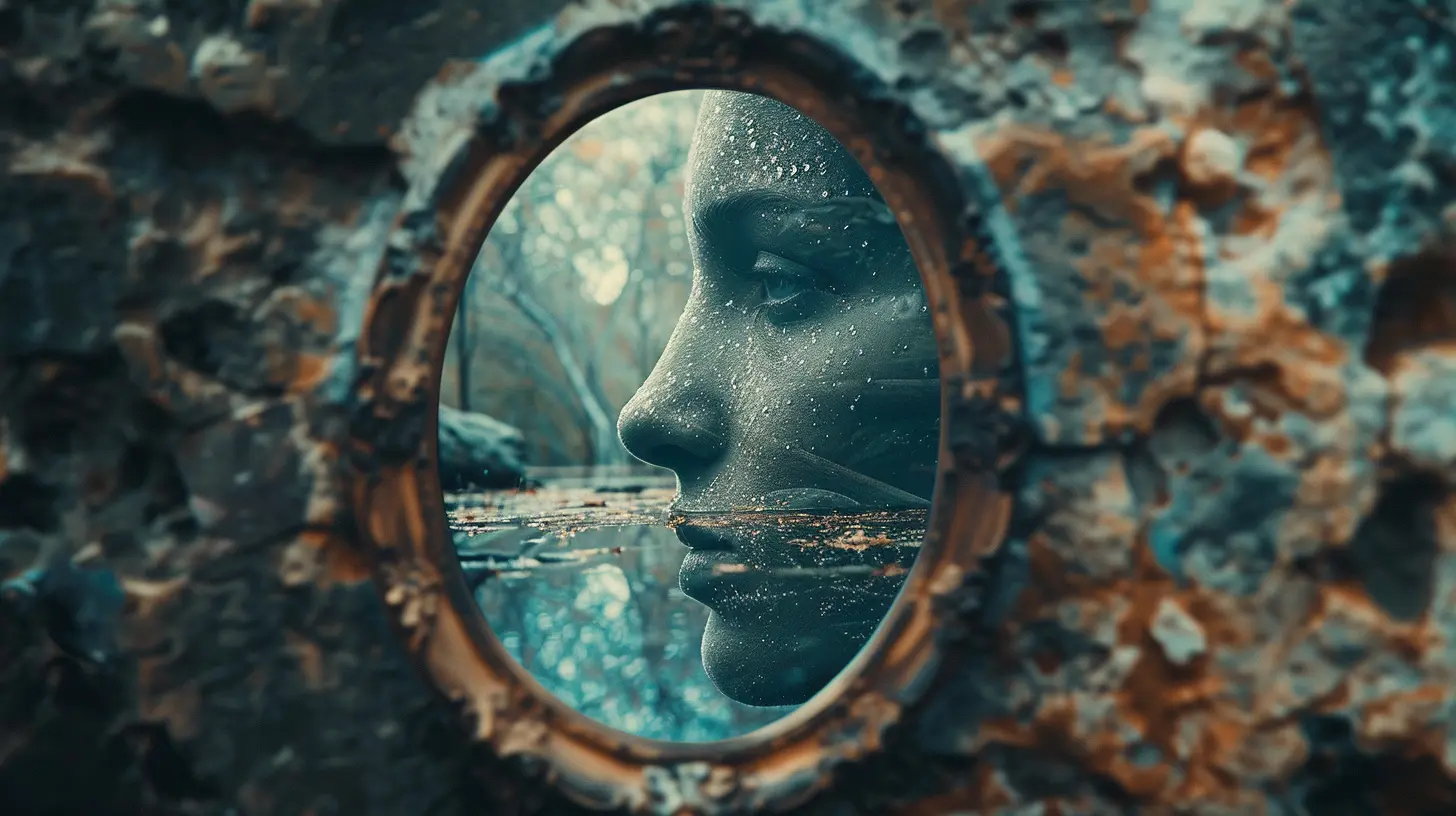
The Psychology Behind Self-Image
Your self-image isn’t something set in stone. It’s shaped over time by experiences, upbringing, and social interactions. Psychologists suggest that our self-perception is influenced by:1. Early Childhood Experiences
From a young age, we absorb messages from parents, teachers, and peers. Encouragement and support foster a positive self-image, while excessive criticism or neglect can lead to self-doubt.2. Social Comparisons
We compare ourselves to others constantly—sometimes without even realizing it. Social media makes this worse, as we see curated, "perfect" versions of other people’s lives, making us feel inadequate.3. Internal Dialogue
Your inner voice shapes how you see yourself. If your self-talk is full of negativity, you’ll struggle to develop confidence. But if you learn to replace self-criticism with self-compassion, your self-image improves dramatically.4. Past Failures and Successes
Your experiences shape your beliefs about yourself. A series of failures might make you feel like you're not good enough, whereas small wins can boost your confidence and reinforce a positive self-image.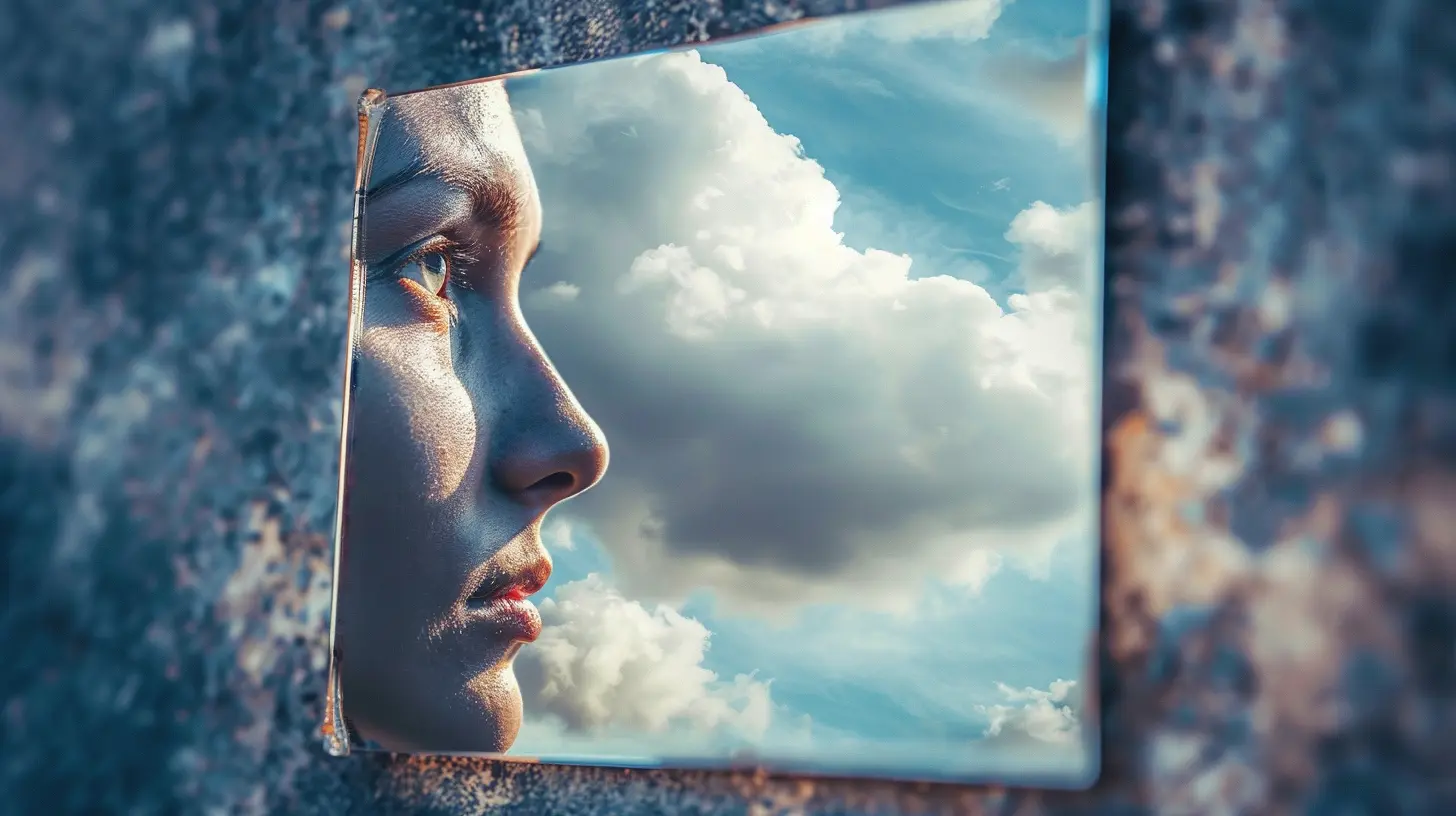
How to Build a Positive Self-Image
A positive self-image isn’t about arrogance or pretending to be something you’re not. It’s about recognizing your worth, embracing your strengths, and being kind to yourself. Here’s how you can shift your mindset:1. Challenge Negative Self-Talk
Would you talk to a friend the way you talk to yourself? Probably not. If your inner dialogue is overly critical, it’s time to change that script.- Instead of "I'm terrible at this," try "I'm learning and improving."
- Instead of "I’m not good enough," remind yourself "I am worthy just as I am."
Rewriting the narrative in your head is the first step to transforming your self-image.
2. Stop Comparing Yourself to Others
Comparison is the thief of joy. No matter how successful you are, there will always be someone doing "better" in some way. The truth? Their journey has nothing to do with yours.- Focus on your own growth rather than trying to meet unrealistic standards.
- Take breaks from social media if it makes you feel inadequate.
- Celebrate your progress instead of fixating on others’ success.
3. Practice Self-Compassion
Being kind to yourself sounds simple, yet many of us are our own worst critics. Self-compassion means treating yourself with the same kindness and understanding you’d extend to a friend.- Forgive yourself for past mistakes.
- Acknowledge that nobody is perfect—including you.
- Talk to yourself with love and encouragement.
4. Recognize and Celebrate Your Strengths
What are you good at? What makes you unique? We often focus on our weaknesses, but acknowledging our strengths is a game-changer.- Make a list of things you’re proud of—big or small.
- Ask close friends or family what they appreciate about you.
- Remind yourself of your talents and abilities regularly.
5. Take Care of Your Body and Mind
Your physical and mental health are closely connected to your self-image. When you take care of yourself, your confidence naturally improves.- Exercise regularly—it boosts endorphins and self-esteem.
- Eat well and stay hydrated—your body and mind will thank you.
- Prioritize rest and relaxation—burnout lowers self-worth.
6. Surround Yourself with Supportive People
The people around you have a major impact on how you see yourself. If you’re constantly surrounded by negativity, it’s tough to maintain a positive self-image.- Spend time with people who uplift and support you.
- Distance yourself from toxic relationships.
- Seek mentors or role models who inspire you.
7. Set Small and Achievable Goals
Confidence comes from action. When you accomplish little things, you start believing in yourself more.- Set short-term goals that push you forward.
- Celebrate each win—no matter how small.
- Keep a journal of progress to remind yourself how far you’ve come.
8. Accept That You’re a Work in Progress
Nobody has a perfect self-image all the time. There will be good days and bad days. But the key is to recognize that self-improvement is a journey, not a destination.- Give yourself grace during tough times.
- Remember that growth takes time.
- Keep working on becoming the best version of yourself. 
Final Thoughts
Creating a positive self-image isn’t about perfection—it’s about progress. It’s about shifting your perspective, embracing your uniqueness, and treating yourself with kindness.You are more than your flaws. You are more than your mistakes. You are worthy, capable, and enough—just as you are. So start speaking to yourself with love, celebrate your strengths, and allow yourself to grow into the confident person you’re meant to be.
all images in this post were generated using AI tools
Category:
Psychological Well BeingAuthor:

Christine Carter
Discussion
rate this article
1 comments
Maddison McGarvey
Loved this guide! It's refreshing to see practical tips for building a positive self-image.
July 28, 2026 at 4:35 PM
Christine Carter
Thank you! I'm glad you found the tips useful. Building a positive self-image is so important!