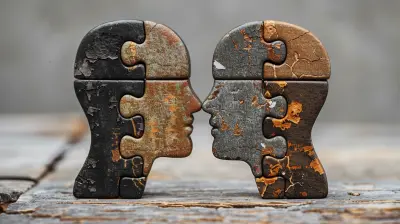
Building Emotional Intelligence: A Guide to Better Relationships
9 February 2026
Have you ever wondered why some people seem to navigate relationships effortlessly while others struggle? The secret often lies in emotional intelligence (EI). Mastering EI can transform your relationships, enhance communication, and improve your overall well-being. Ready to dive in? Let’s break it down step by step.
What is Emotional Intelligence?
Emotional intelligence is the ability to recognize, understand, and manage emotions—both yours and those of others. It’s not about suppressing feelings but rather using them effectively to strengthen relationships.Psychologist Daniel Goleman identified five key components of emotional intelligence:
1. Self-awareness – Recognizing your emotions as they happen.
2. Self-regulation – Managing emotions in healthy ways.
3. Motivation – Using emotions to drive positive actions.
4. Empathy – Understanding the emotions of others.
5. Social skills – Navigating social settings with ease.
Think of emotional intelligence as your relationship superpower. The higher your EI, the better you’ll be at handling conflicts, building trust, and forming deep connections.
Why Emotional Intelligence Matters in Relationships
Imagine trying to build a house without a foundation—sounds impossible, right? That’s what relationships without emotional intelligence are like. EI helps in:- Reducing misunderstandings – You’ll be better at expressing yourself and understanding others.
- Strengthening connections – Authentic relationships thrive on emotional awareness.
- Handling conflicts smoothly – Instead of reacting impulsively, you’ll respond thoughtfully.
- Boosting overall happiness – Emotionally intelligent people tend to be more fulfilled. 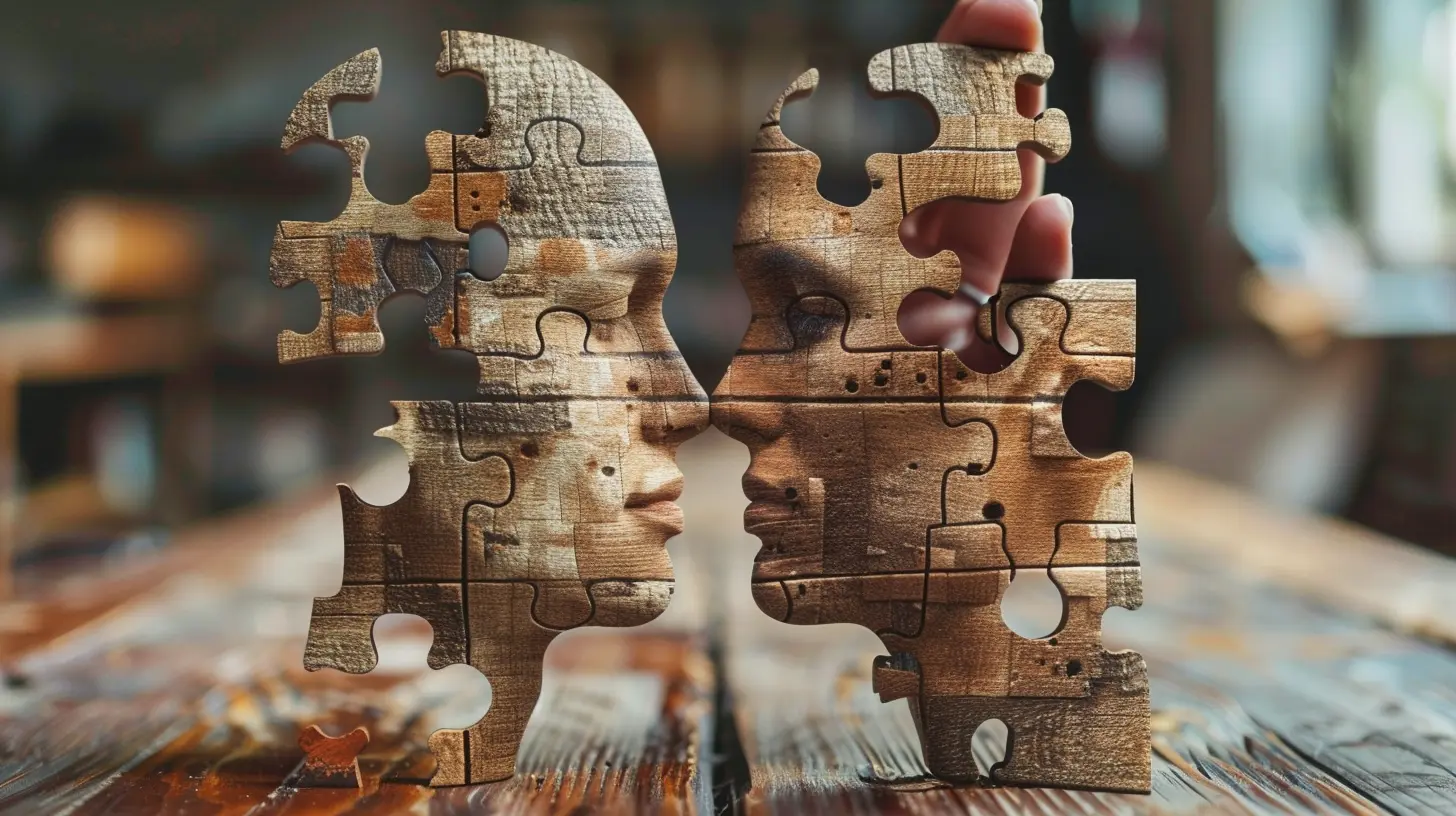
How to Build Emotional Intelligence
Now that we know why EI matters, let’s explore how to develop it.1. Practice Self-Awareness
Self-awareness is the foundation of emotional intelligence. Without it, you can’t control your emotions or understand others effectively. Start by:- Journaling – Write down your thoughts and feelings daily.
- Checking in with yourself – Pause during the day to ask, "How am I feeling?"
- Seeking feedback – Sometimes, others see what we miss about ourselves.
Ever had a moment where you reacted emotionally and later regretted it? That’s a sign you need to work on self-awareness. Recognizing these moments helps in future interactions.
2. Master Self-Regulation
Emotions can feel like a raging storm—intense and uncontrollable. The trick isn’t to suppress them but to regulate them wisely. Here’s how:- Pause before reacting – Count to five before responding in emotional situations.
- Practice deep breathing – Helps calm your nervous system.
- Redirect negative thoughts – Instead of dwelling on problems, focus on solutions.
Ever sent an angry text and instantly regretted it? Strong self-regulation prevents these impulsive mistakes.
3. Develop Empathy
Empathy is the heart of meaningful relationships. It allows you to see the world through someone else’s eyes. To build empathy:- Listen actively – Give your full attention instead of thinking about your response.
- Validate emotions – A simple "I understand why you feel that way" can work wonders.
- Put yourself in their shoes – Imagine how you’d feel in their situation.
Empathy turns “I don’t get you” into “I understand you”, fostering deeper emotional connections.
4. Strengthen Communication Skills
The way you express emotions can make or break your relationships. Want to communicate better? Try this:- Use “I” statements – Say “I feel hurt when...” instead of “You always...” to avoid blame.
- Be mindful of tone and body language – Non-verbal cues matter as much as words.
- Practice active listening – Repeat or summarize what the other person said to show understanding.
Good communication is like oil in an engine—it keeps everything running smoothly.
5. Cultivate Emotional Resilience
Life can throw curveballs, but emotionally intelligent people bounce back stronger. To build emotional resilience:- See challenges as opportunities to grow – Every setback teaches you something.
- Develop a positive mindset – Focus on solutions rather than problems.
- Build a support system – Surround yourself with emotionally intelligent people.
Think of resilience as an emotional muscle—the more you train it, the stronger it gets.
Applying Emotional Intelligence in Daily Life
Now that you know how to build EI, let's look at some real-life applications.In Romantic Relationships
- Instead of getting defensive, try to understand your partner’s perspective.- Express feelings openly and honestly but without aggression.
- Resolve conflicts with compromise rather than ego-driven fights.
In Friendships
- Be a good listener—sometimes, people just need to vent.- Offer emotional support rather than jumping to solutions immediately.
- Celebrate their successes instead of feeling jealous.
At Work
- Stay calm under pressure and avoid emotional outbursts.- Read the emotions of team members to foster a healthy work environment.
- Handle criticism with grace, focusing on improvement rather than taking it personally.
Emotional intelligence doesn’t just improve relationships—it enhances every part of life.
Final Thoughts
Mastering emotional intelligence isn’t an overnight process. It takes patience, self-reflection, and conscious effort. But the rewards? Stronger relationships, better communication, and a happier life.Next time you find yourself in an emotionally charged situation, ask: Am I reacting or responding? That simple shift can transform the way you connect with others.
Start small, stay consistent, and watch how emotional intelligence transforms your world!
all images in this post were generated using AI tools
Category:
Psychological Well BeingAuthor:

Christine Carter
Discussion
rate this article
2 comments
Azura Wilson
This article beautifully highlights the importance of emotional intelligence in fostering healthier relationships. It reminds us that understanding our own emotions and those of others is vital for effective communication and connection. A valuable read for anyone looking to enhance their interpersonal skills!
March 12, 2026 at 5:01 AM
Christine Carter
Thank you for your thoughtful comment! I'm glad you found the article valuable in highlighting the importance of emotional intelligence for better relationships.
Sylvan Spencer
Emotional intelligence transforms relationships—grow, connect, and thrive together!
February 9, 2026 at 4:56 AM
Christine Carter
Thank you! Emotional intelligence truly is key to strengthening our connections and fostering personal growth in relationships.