Breaking Free from the Sunk Cost Fallacy
2 October 2026
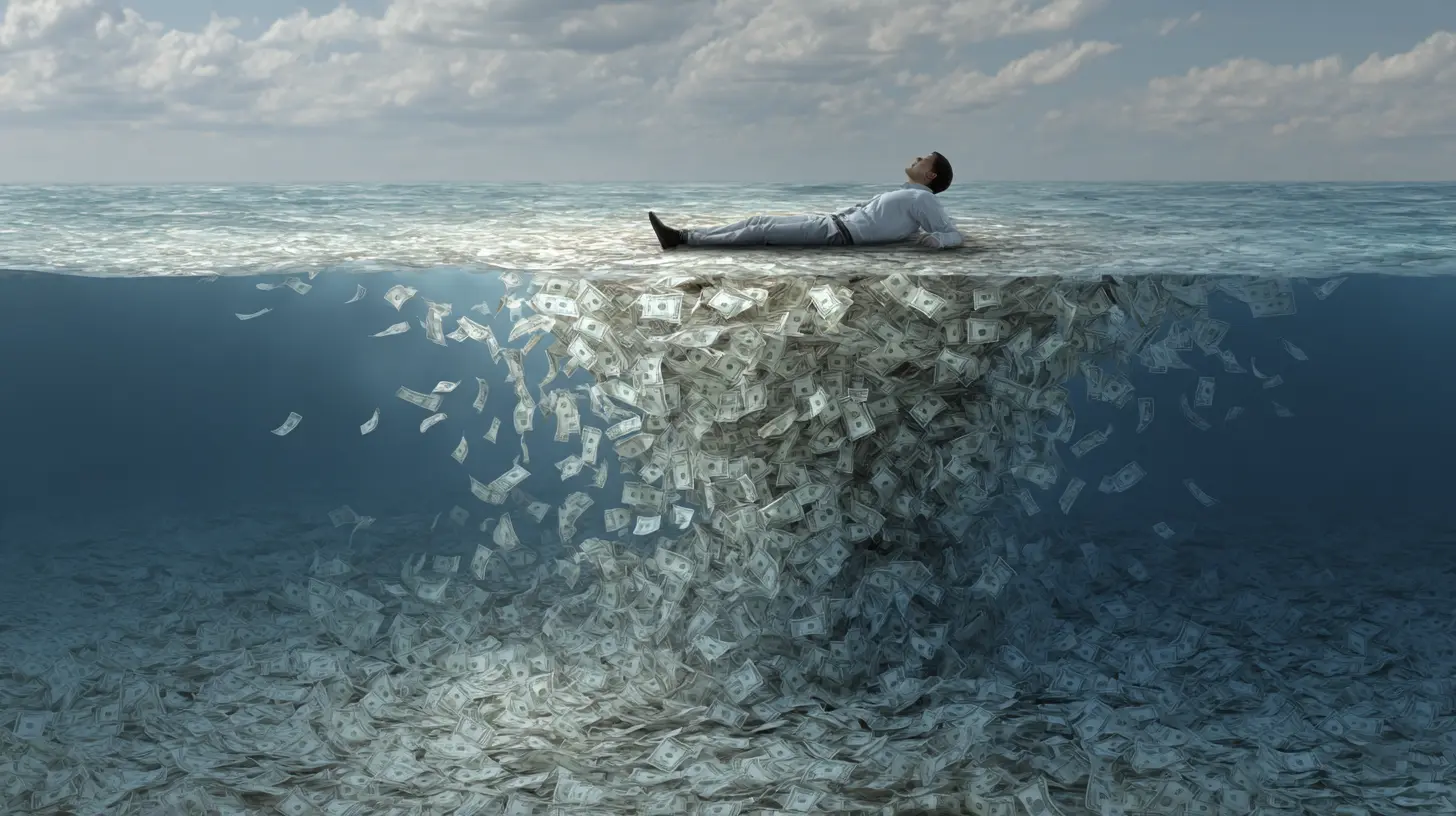
The sunk cost fallacy is a fascinating psychological phenomenon that affects our decision-making more than we may realize. It occurs when we continue investing in something-be it time, money, or effort-simply because we have already invested significantly, rather than evaluating whether it is still worthwhile. Understanding this concept can empower us to make more rational choices in our personal and professional lives.

Understanding the Sunk Cost Fallacy
What Is the Sunk Cost Fallacy?
At its core, the sunk cost fallacy refers to the tendency to stick with a decision based on prior investments rather than current circumstances or future benefits. Imagine you bought an expensive ticket to a concert, but as the date approaches, you feel sick or have other commitments. Instead of considering your current situation, you might still go just because you spent money on the ticket. This thinking traps us in decisions that no longer serve us.Psychological Underpinnings
The sunk cost fallacy ties closely to several psychological concepts:1. Loss Aversion: We tend to fear losses more than we value gains. Losing the initial investment feels more painful than the potential benefit of reallocating resources to something more valuable.
2. Commitment and Consistency: Once we commit to something, there is a natural inclination to stick with it. This desire for consistency can cloud our judgment, leading us to make poor decisions.
3. Emotional Attachment: We often develop emotional ties to our investments, even if they are not yielding positive results. This emotional attachment can create a bias, pulling us away from rational analysis.
Real-World Examples
Business Decisions
Consider a startup that has invested hundreds of thousands of dollars into developing a product that is not gaining market traction. Instead of reevaluating the product's viability, the founders might double down on their investment, pouring even more resources into marketing efforts. This decision often stems from the sunk cost fallacy.Key Insight: Businesses should regularly assess the performance of their projects and be willing to pivot or cut losses. A well-known example is Blockbuster's refusal to adapt to the digital streaming model despite early signs of decline. Their continued investment in physical stores, while ignoring shifting consumer preferences, ultimately led to their downfall.
Personal Finance
Individuals frequently encounter the sunk cost fallacy in personal finance. Imagine you purchased a gym membership with a hefty fee. After a few months, you realize it's not a good fit for you. Instead of canceling the membership and seeking a more enjoyable form of exercise, you might keep it because you've already paid for it.Common Mistake: Many people mistake the cost of the membership as a reason to continue using it. In reality, the money is already spent, and what matters is how to best spend your time and money moving forward.

Recognizing the Sunk Cost Fallacy in Your Life
Signs You Are Experiencing the Fallacy
1. Chasing Losses: If you find yourself spending more time or money trying to recover a lost investment rather than assessing its current utility, you might be falling into this trap.2. Overanalyzing Past Decisions: Are you constantly revisiting choices you've made, worrying about the resources you've already committed? This reflection can often lead to a cycle of inaction.
3. Avoiding Change: If you feel apprehensive about changing your course of action because of what you've already invested, you may be influenced by the sunk cost fallacy.
Questions to Ask Yourself
- Is my current situation aligned with my goals?- Am I making this decision based on past investments or future potential?
- What would I choose if I were starting fresh today?

Practical Strategies to Overcome the Fallacy
Shift Your Perspective
A critical step in overcoming the sunk cost fallacy is changing your focus from past investments to future potential. Consider what you stand to gain or lose in your current circumstance. This shift in perspective can help ground your decision-making in reality.Embrace the Concept of Opportunity Cost
Opportunity cost is the value of what you forgo when choosing one option over another. By recognizing the potential benefits of reallocating your time, money, or effort, you can make more informed choices. For instance, if you feel stuck in an unfulfilling job, think about the career opportunities you might miss out on while remaining tethered to your current position.Set Decision Deadlines
Establishing a timeline for your decisions can help you avoid the trap of lingering on past investments. By setting a deadline, you create a natural point to reevaluate your choices based on current conditions rather than past commitments. This tactic encourages timely decision-making and reduces emotional attachment.Seek External Perspectives
Discussing your situation with friends, family, or mentors can provide fresh insights. They may see your dilemma more objectively and help you recognize when you are clinging to past investments. Sometimes, an outside perspective can illuminate options you hadn't considered.Comparing Approaches to Decision-Making
Rational Decision-Making vs. Emotional Decision-Making
Rational decision-making involves evaluating options based on factual data and logical reasoning. In contrast, emotional decision-making often includes feelings and attachments that may cloud judgment.- Advantages of Rational Decision-Making: This method prioritizes objectivity, leading to better outcomes. It encourages you to weigh costs and benefits without the emotional weight of past investments.
- Disadvantages: It can feel cold and unfeeling, lacking the human touch that emotions provide. Sometimes, emotions can guide us in making choices that align with our values.
Intuitive Decision-Making
Intuitive decision-making relies on gut feelings and instincts. While it may feel natural, this approach can be influenced by biases, including the sunk cost fallacy.- Advantages: Intuition can lead to quick decisions based on experience and knowledge.
- Disadvantages: Intuitive choices can be swayed by emotional attachments, making it difficult to break free from the past.
Balanced Approach
Combining rational and intuitive decision-making can yield the best results. Use data to inform your choices but also consider your feelings. This balance allows for well-rounded decisions that take into account both the emotional and rational aspects of life.
Common Misconceptions
It's Only About Money
Many people believe the sunk cost fallacy applies only to financial decisions. In reality, it encompasses any investment of time, effort, or emotional energy. For example, relationships can also fall prey to this fallacy, where individuals stay in unfulfilling partnerships because of the time and emotions already invested.Letting Go Means Failure
Some view walking away from a prior investment as a personal failure. In truth, recognizing when to cut losses is a sign of maturity and wisdom. It reflects an understanding that the past does not dictate the future.Best Practices for Decision-Making
1. Regularly Reevaluate Investments: Take time to assess your commitments periodically. Are they still serving your goals and values? Adjust as needed.2. Document Your Decisions: Keeping track of your reasoning can help clarify your thought process. If you find yourself justifying a decision based on past investments, it can signal that you need to reassess.
3. Create a Decision Matrix: Use a simple chart to weigh the pros and cons of sticking with a current decision versus moving on. This visual representation can help clarify your thinking.
4. Practice Mindfulness: Being present in your decision-making process can reduce emotional biases. Mindfulness techniques can help you recognize when you are being influenced by past investments.
Conclusion
Breaking free from the sunk cost fallacy is a vital skill that can lead to more fulfilling personal and professional lives. By understanding its psychological foundations, recognizing its presence in our decision-making, and employing practical strategies to counteract it, we can make better choices that align with our current goals and values. Embrace the ability to reassess, pivot, and forge a path that truly serves your future.
all images in this post were generated using AI tools
Category:
Cognitive BiasesAuthor:

Christine Carter